


How to Read Poker Tells Like a Professional

In the movies, a poker tell is a bead of sweat or a trembling eyelid, spotted at the perfect moment for a hero call. Real tells are less cinematic and more useful. They live in bet sizes, decision speed, posture changes, and chip handling, and while no single tell wins you a stack on its own, an observant player collects small edges all night that compound into real money.
This guide covers how professionals actually read opponents: which tells are reliable, which are myths, how to build a baseline before trusting anything you see, and how to close the leaks in your own behaviour. Everything here applies specifically to live poker; it’s the depth of information at a physical table that makes the live game such a rich one, something we explore further in our comparison of live poker versus online poker.
What a Poker Tell Actually Is
A tell is any behaviour that correlates with the strength of a player’s hand. The key word is correlates. Tells are not lie detectors; they’re probability shifters. If an opponent’s quick call usually means a draw or a medium hand, that knowledge doesn’t play the hand for you, but it tilts close decisions in your favour, and close decisions are where the money lives.
It’s worth ordering the categories by reliability, because beginners obsess over the least dependable ones:
- Betting patterns: what players do with their chips over many hands. Most reliable.
- Timing: how long decisions take relative to that player’s norm.
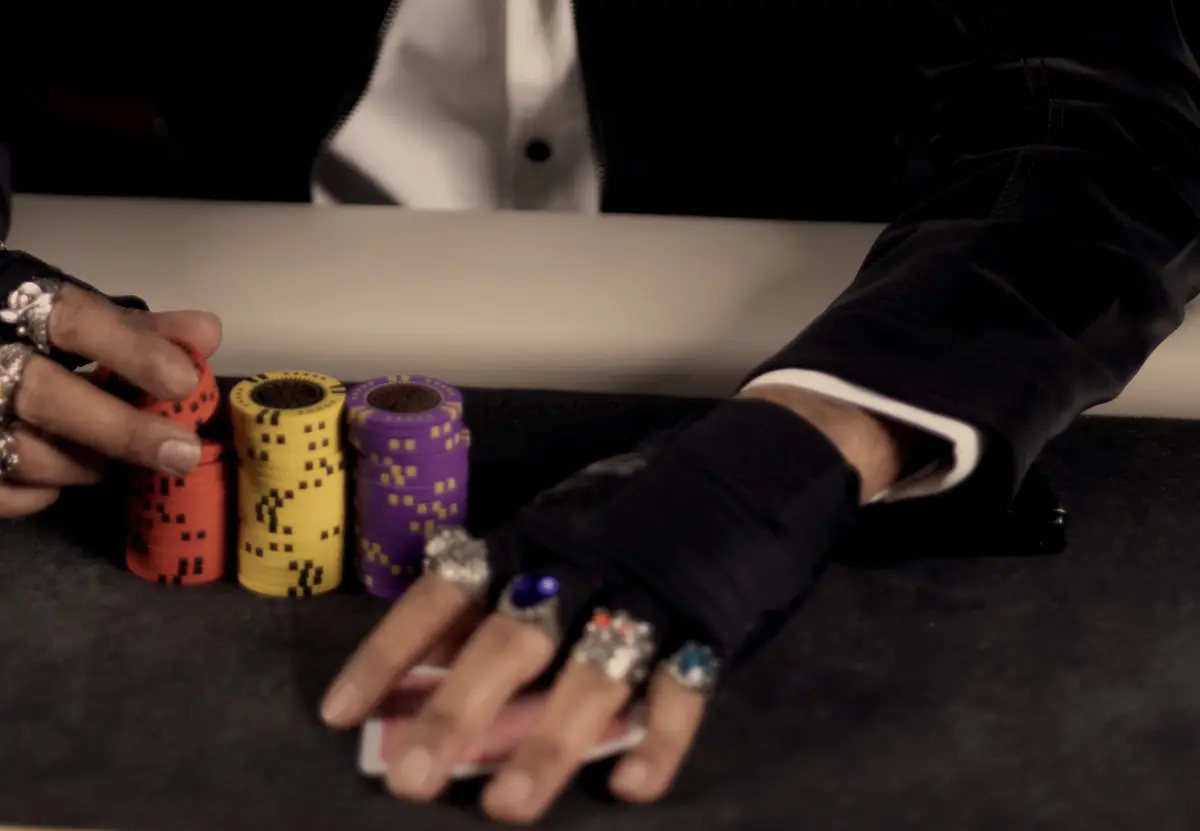
- Physical behaviour: posture, hands, breathing, chip handling.
- Verbal behaviour: what players say and how they say it. Rich but noisy.
Professionals lean hardest on the first two, use the third as a tiebreaker, and enjoy the fourth as a bonus. Structure your attention the same way.
First Principle: Establish a Baseline
A tell only means something as a deviation from that specific player’s normal behaviour. A player who always talks is telling you nothing by talking; a quiet player who suddenly starts chatting mid-hand is broadcasting.
This is why the first twenty minutes at a new table should be spent observing rather than hero-reading. Watch every showdown you can and work backwards: how did that player act pre-flop with the aces they just showed? How fast did they call with their flush draw? Showdowns are answer keys, and most players ignore them the moment they’re not in the hand.
Practical baseline questions for each opponent: How quickly do they normally act? How do they usually hold their cards and stack their chips? Do they talk? Do they watch the flop or watch the players? Any strong deviation from those norms, in either direction, is data.
Betting Tells: The Most Reliable Category
Chips don’t have nervous habits, which is why betting patterns are the most trustworthy tells in poker.
Sizing Deviations
Most recreational players size their bets by hand strength without realising it. The classic patterns: unusually large bets frequently mean “please fold, I have one pair or air,” because the player is protecting a vulnerable hand or ending the story of a bluff. Unusually small bets on scary boards often mean genuine strength fishing for a call. Neither is universal, which is why the baseline matters, but once you’ve seen a player show down two hands, their personal sizing dictionary starts to write itself.
The Instant Continuation Bet
A player who bets the flop instantly, before they could have processed the board, usually decided pre-flop to bet regardless. That’s a plan, not a hand. Their range is unfiltered, and a raise will often take the pot.
Reluctant Calls That Aren’t
Watch for the player who sighs, shakes their head, and calls “one more time.” Genuine reluctance usually folds. Performed reluctance calls, and it tends to call with a hand it loves. Which brings us to the golden rule below.
Timing Tells: The Speed of Decisions
Decision speed is the closest thing live poker has to a polygraph, because it’s hard to fake in both directions at once.
- Instant calls typically mean draws and medium hands. The player never considered raising (too weak) or folding (too curious), which removes the strongest and weakest hands from their range. That’s an enormously useful narrowing.
- Instant raises usually mean strength or a prepared bluff, but genuine strength more often. Deception takes composition time.
- Long pause, then a bet is polarised: either they were calculating value with a monster or working up the nerve to bluff. Here physical tells become the tiebreaker.
- Long pause, then a call frequently signals a marginal hand that talked itself into staying, and such players often give up on later streets.
One caution: some experienced players deliberately standardise their timing precisely to kill this channel, counting a few seconds before every action. When you meet one, respect them; you’ve found a player who studies.
Physical Tells: What the Body Leaks
Physical tells are real but subtler than fiction suggests. The dependable ones cluster around involuntary systems: things people don’t know they’re doing.
- Trembling hands usually mean a monster. This is the opposite of intuition. Shaking betting hands are the release of excitement, not fear. Bluffers, if anything, become unnaturally still and controlled.
- Stillness and reduced breathing often accompany bluffs. A player who was animated and suddenly freezes after betting is frequently trying not to give anything away, and the trying is itself the tell.
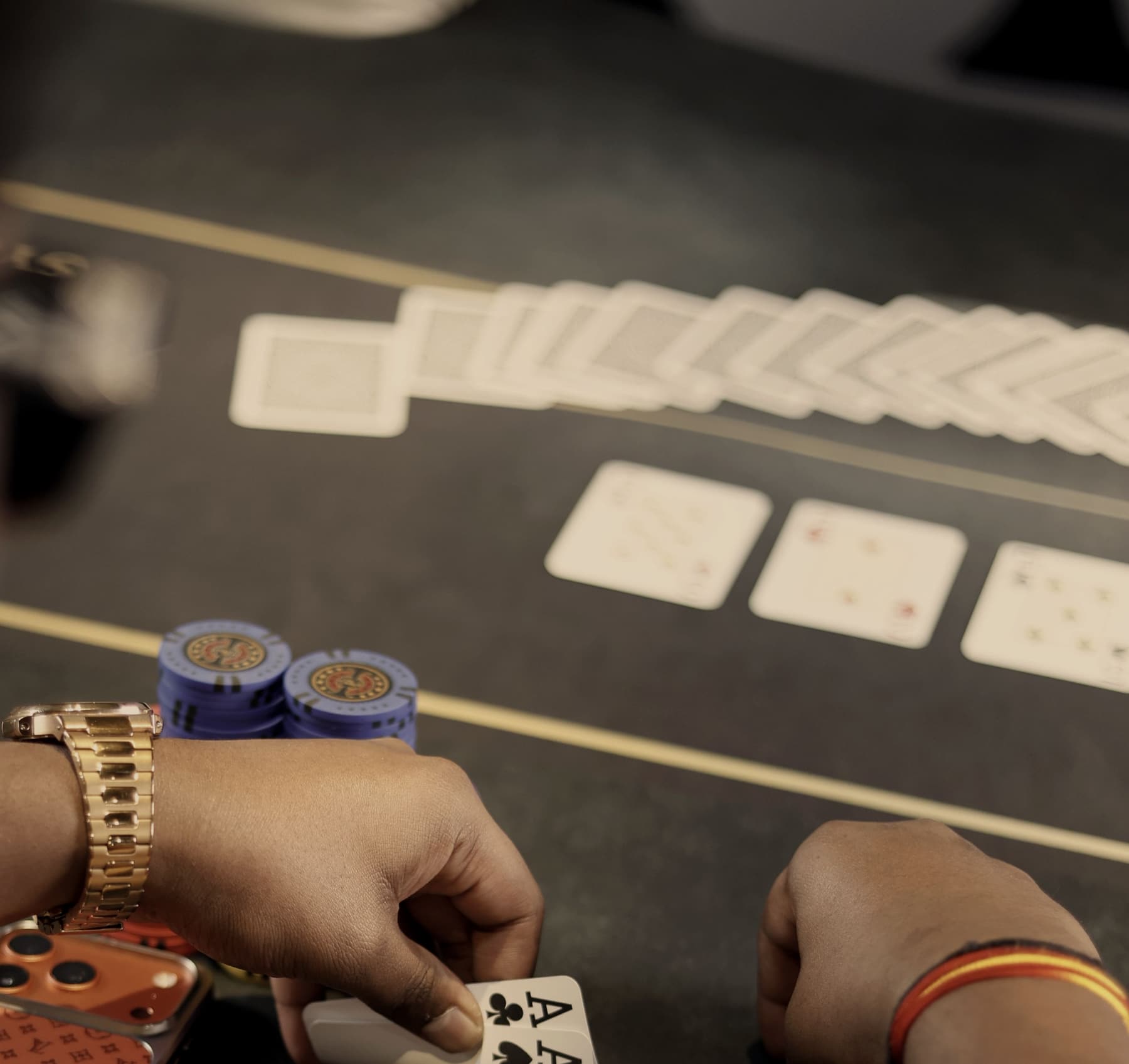
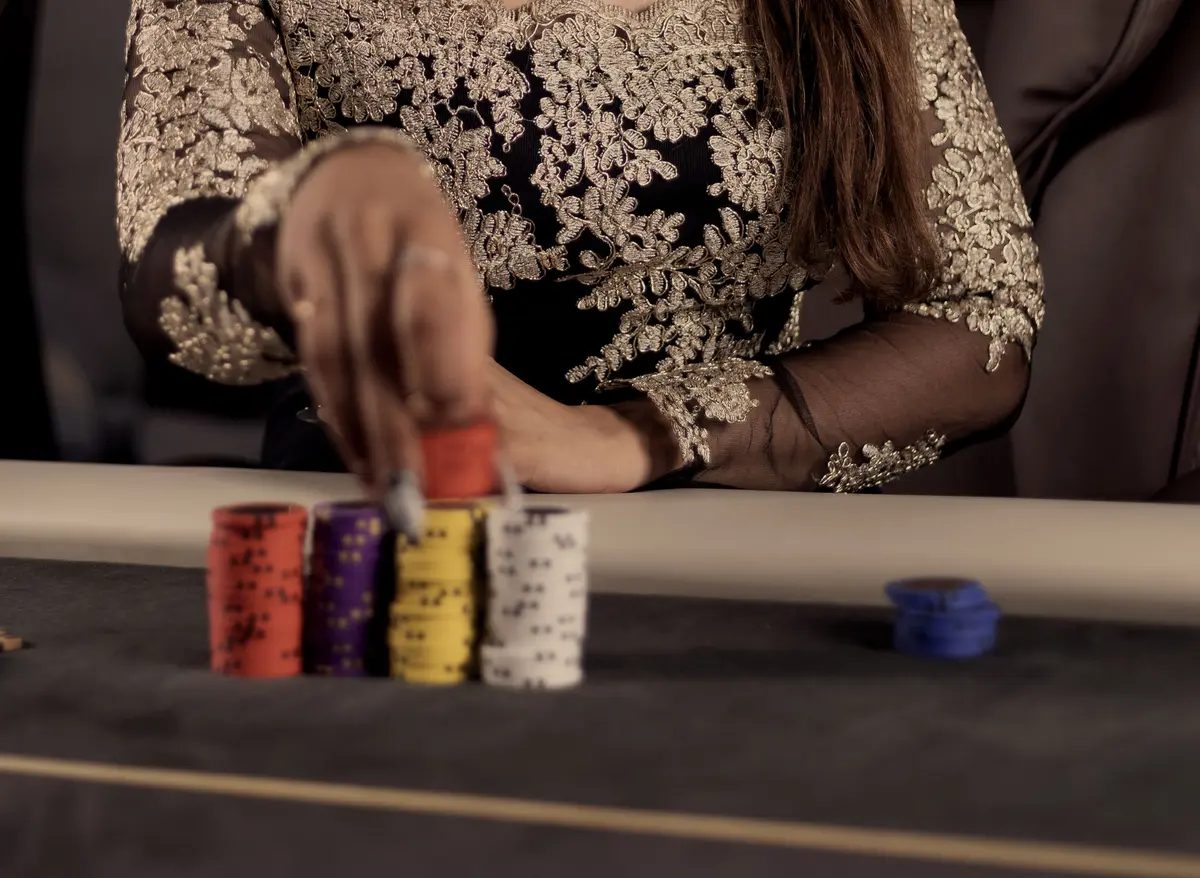
- Glancing at chips after the flop classically indicates a hand that connected; the player is instinctively planning a bet. It happens in under a second, so you must be watching the player rather than the flop. Professionals watch faces while the community cards land, because everyone else is looking at the cards.
- Posture shifts track interest. Leaning in, straightening up, or re-engaging with the hand after apparent boredom tends to mean the hand just improved.
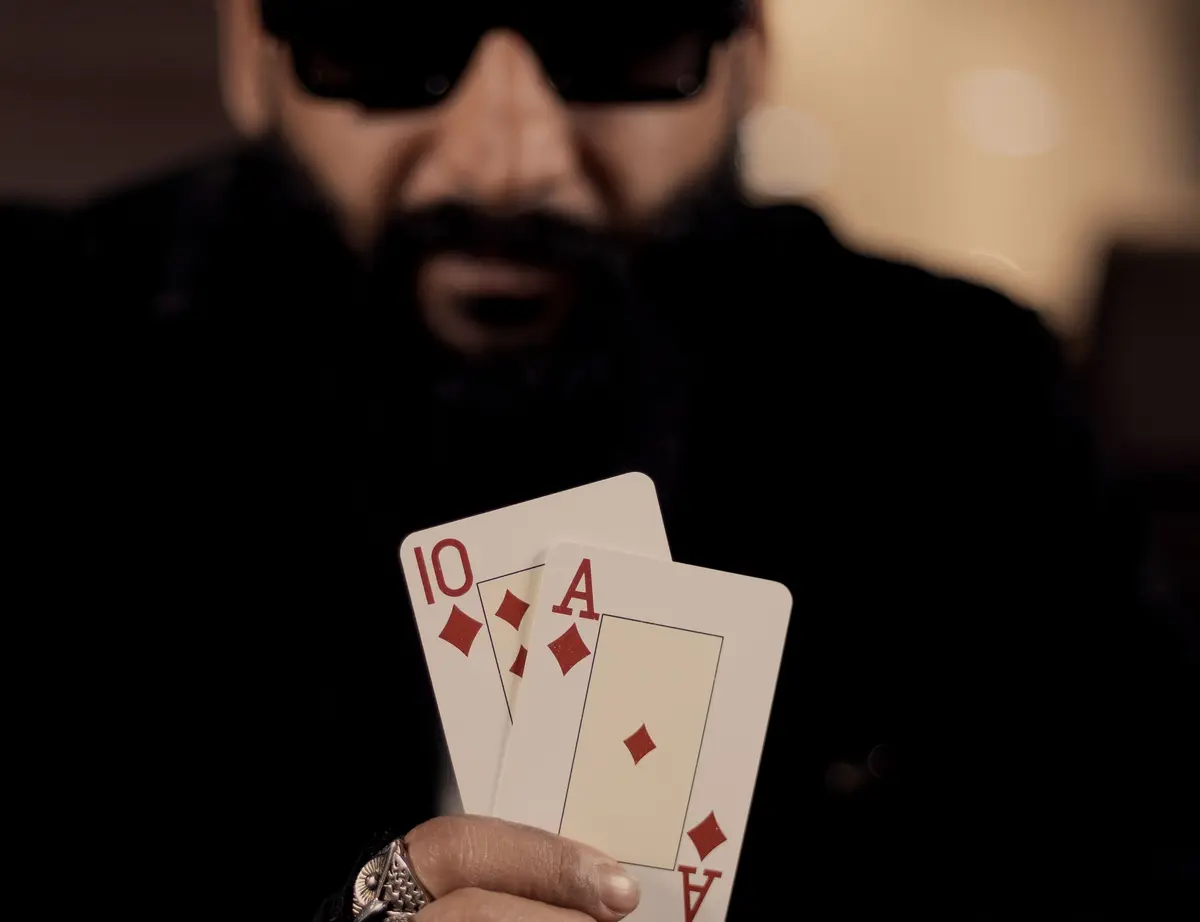
- How cards are protected varies by player: someone who carefully guards their hole cards has a hand they intend to play; someone who lets them sit loose at the felt’s edge is often halfway to folding already.
Treat each of these as one vote, never a verdict. Physical tells confirm reads built from betting and timing; they rarely justify decisions alone.
Verbal Tells: When Talking Reveals Too Much
Table talk is entertaining and occasionally profitable to analyse. Reliable fragments: players who announce “I probably shouldn’t do this” while calling usually hold more than they’re advertising. Players who ask “how much do you have behind?” are typically contemplating a big hand’s next move, not a fold. Goading and challenges (“you wouldn’t bet that flush if you had it”) tend to come from hands that can’t beat much and want free information.
The broad rule: unprompted conversation from a player in a big pot skews strong. Relaxed people chat; stressed people manage. A bluffer’s cognitive load is high, and casual conversation is expensive when you’re concentrating on appearing calm.
The Golden Rule: Weak Means Strong, Strong Means Weak
If you retain only one principle, take this one, formalised decades ago by Mike Caro and still the backbone of live reads: acting is the tell. Recreational players perform the opposite of their hand. The dramatic sigh before a bet, the shrug, the “I guess I’ll call” with a shake of the head: these performances overwhelmingly accompany strong hands. Conversely, staring you down, betting with force, and slamming chips are little theatre pieces designed to look strong, and they disproportionately accompany weakness.
The corollary matters just as much: genuine, unperformed behaviour is harder to classify. The rule applies to acting, and learning to distinguish performance from genuine behaviour is largely what the first months of serious live play teach you. There’s no shortcut for volume: you need hours at real tables watching real showdowns. Regular sessions in a room with a steady player pool, the kind of environment Poker Syndicate is built around, compress this education considerably, because you can track the same opponents’ patterns across weeks rather than starting from zero every session.
Hiding Your Own Tells
Reading opponents is half the discipline; the other half is becoming unreadable yourself.
- Standardise everything. Same pre-flop raise size, same bet motion, same card protection, same posture. Count three seconds before every significant action regardless of your hand. Routine is armour.
- Decide before the action reaches you. Most timing tells come from players starting their thinking when it’s their turn. Think while others act, so your own action is smooth.
- Watch your talking. If you enjoy table talk, talk consistently, in big pots and small, strong and weak. If you can’t, go quiet consistently.
- Don’t look at your chips when the flop hits you, and don’t recheck your hole cards on a flush-completing card; that recheck is one of the most common amateur leaks (players remember values, not suits).
- Accept imperfection. You will leak occasionally. The goal is to be expensive to read, not impossible.
Conclusion
Reading tells isn’t a superpower; it’s a discipline of attention. Baseline first, betting and timing above body language, acting means the opposite, and one vote is never a verdict. Apply that framework for a few months of live play and you’ll be quietly astonished at how loudly a table talks once you’re listening. Just as satisfying, you’ll feel your own signal go dark as your routines tighten.
None of it can be learned from a screen. Tells live at real tables, among real players, in real pots. To go deeper on the mental side of reads and composure, our piece on poker psychology is the natural companion to this one.
Come practise the craft where it actually exists. Poker Syndicate’s live games offer exactly what a developing reader needs: professional dealers, a regular community of opponents to study, and a premium environment where the game is taken seriously and enjoyed properly. Sit down, observe, and start collecting your edges.
Frequently asked questions
Betting patterns, especially personal sizing habits, are the most dependable read on any player. Among physical tells, trembling hands after a big bet is the classic reliable one, and it almost always signals a very strong hand rather than nerves.
They’re real but overrated in isolation. Professionals treat tells as one input alongside position, betting history, and ranges. The movie version, where a single physical cue decides a huge pot, is rare; the practical version, where small reads tilt close decisions, happens constantly.
Fewer and subtler ones. Strong players standardise their timing, sizing, and posture specifically to close these channels. That’s also why a sudden behavioural change from a normally robotic player deserves attention.
Only a narrow slice: timing patterns and bet sizing. The full spectrum of physical and verbal information exists only in live poker, which is a major reason live play develops more complete players.
Standardise everything you control: bet sizes, motion, timing, posture, and talk. Decide your action before it’s your turn, and never recheck your cards when a draw completes. Consistency, not stone-facedness, is what makes you unreadable.
Prolonged staring after a bet is usually performed strength, which by the weak-strong rule leans towards a bluff or marginal hand. Genuine monsters more often look away, relax, or engage in easy conversation.
The concepts take a week; the calibration takes months of live volume. Most players notice their first reliable personal reads on regular opponents within ten to twenty sessions of deliberate observation.