



Nobody's first hand was played well.
If you have played online, or at a friend's table, and never in a room. This is the page that makes the difference between thinking about it and doing it.
The fear is never the poker. It is the ten minutes before the poker: walking in, not knowing where to stand, not knowing what to say, and being certain that everyone can tell.
Here is exactly what happens, in order, so that none of it is a surprise.
In order
From the door to the first hand.
-
01
Before you leave.
Say it is your first visit when you book. That is the only thing you have to do, and it changes the whole evening: the floor will be expecting you.
-
02
At the door.
Government photo ID. Eighteen and over. It takes about a minute and everyone does it, every visit, including the regulars.
-
03
Someone will meet you.
Not a host reading from a script. Someone on the floor who will walk you through the room, show you where the bar and the kitchen are, and answer the question you have not asked yet.
-
04
Choosing a table.
We will put you on a Hold'em table, which is where the room is at its friendliest and the pace is most forgiving. You are not obliged to take the suggestion.
-
05
Buying in.
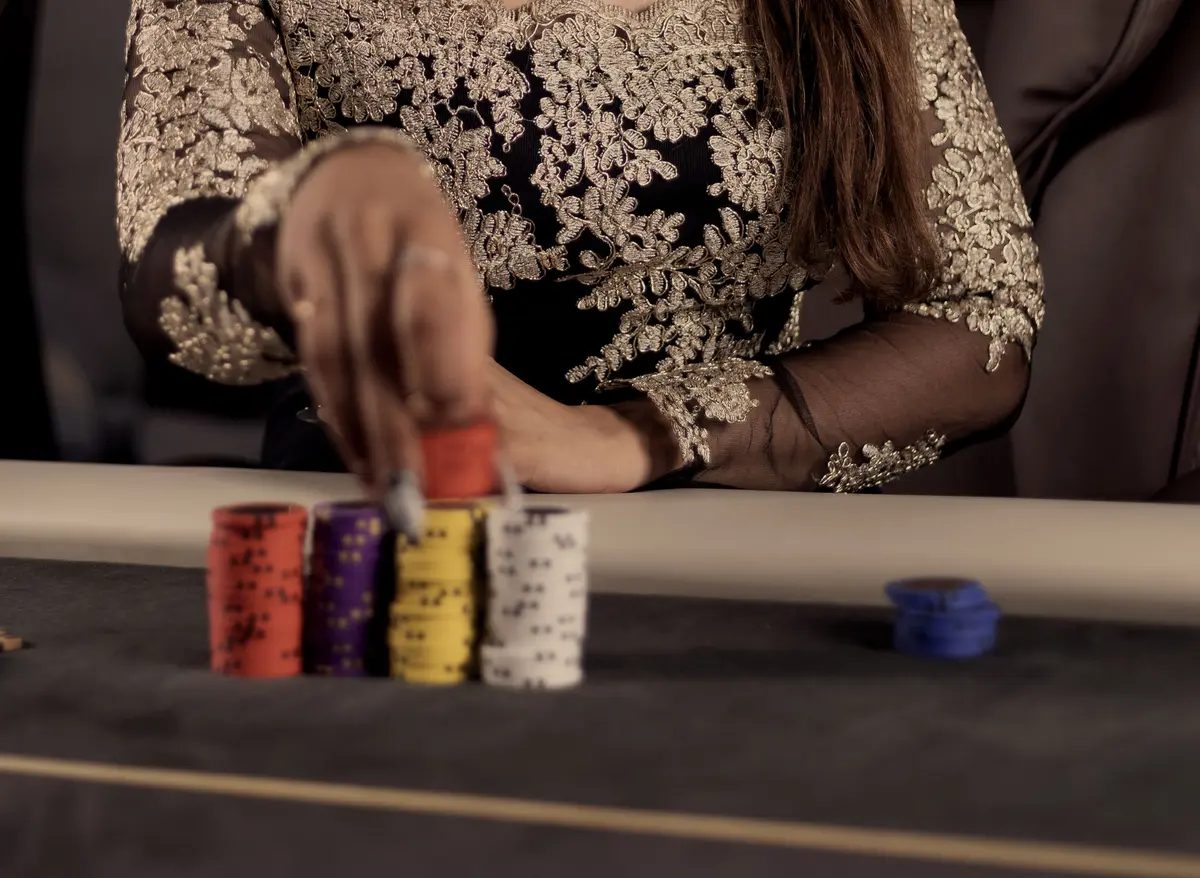
Hand your money to the dealer, not across the table. Chips arrive. The minimum is Rs 10,000. Buy in for an amount you have already decided you are willing to lose, and decide it before you arrive rather than at the table.
-
06
The first orbit.
Sit out a hand if you want to. Watch the rhythm. Nobody will hurry you, and asking the dealer a question mid-hand is entirely normal. They would rather answer than fix it afterwards.
-
07
Leaving.
Whenever you like. Stand up, colour up, and the floor pays you before you reach the door. Leaving after twenty minutes is not rude and nobody will comment.
Six questions
The things you were going to ask.
What do I wear?
Casual. Nobody is dressed up. Nobody is in a tracksuit either.
How much should I bring?
The table minimum is Rs 10,000. Bring what you have decided to lose and not one rupee more. That is not caution; it is how everyone good at this plays.
Will everyone know I am new?
For about one orbit, yes. Then the game moves on. Half the table has been where you are and the other half is pretending they have not.
What if I make a mistake?
The dealer will correct it, quietly, and the hand continues. Mistakes at a table are administrative, not moral.
Do I have to talk?
No. Say “check,” “call,” “raise” and the amount, and you have said everything the game requires. Everything else is optional.
Can I come alone?
Most people do. A poker table is one of the few places where arriving alone is completely unremarkable.
Act in turn. Everything else can be learned at the table.
Wait until the action is on you, then say what you are doing. That single habit is the difference between a new player and a disruptive one, and it takes about four hands to become automatic.
If you want the rest before you arrive, we wrote it down.
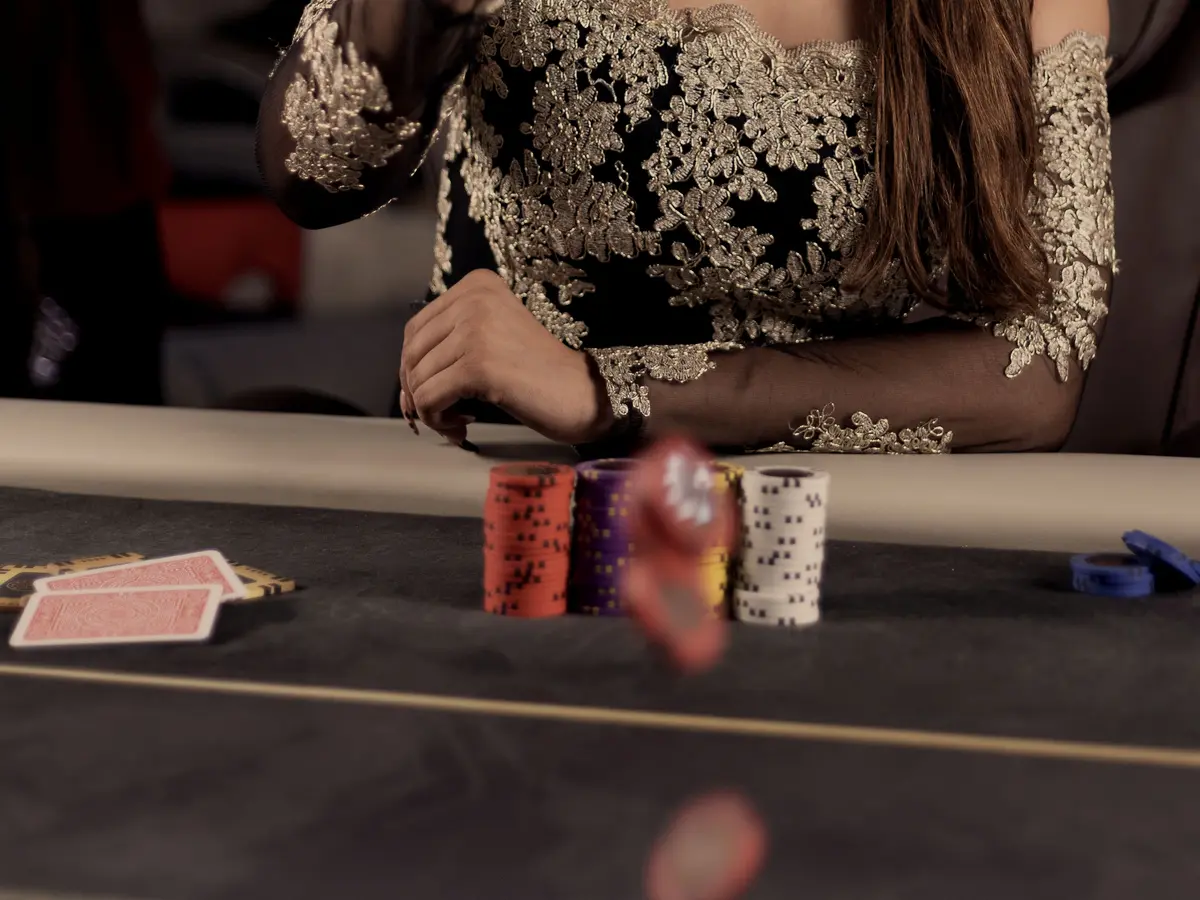
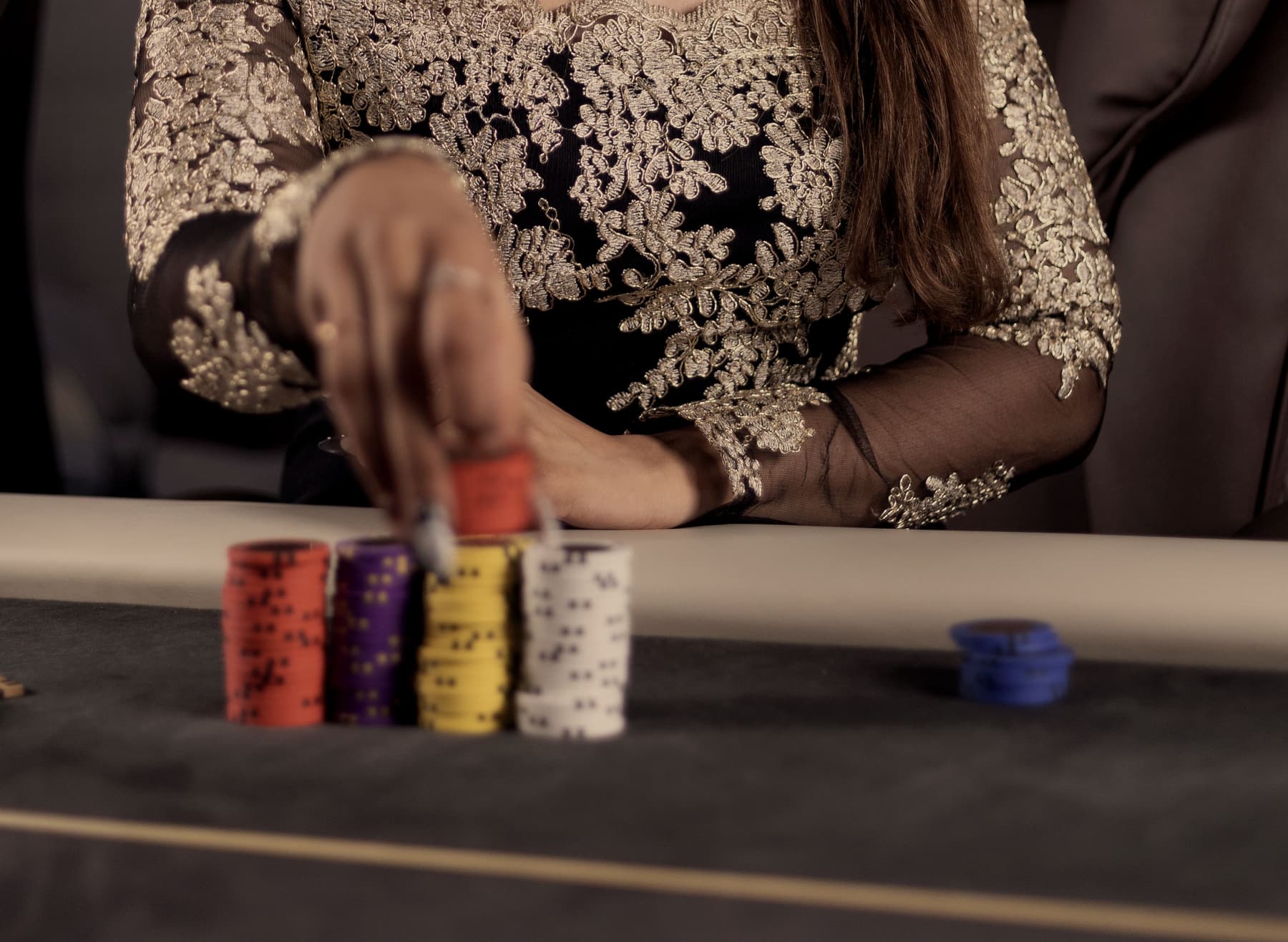
Someone being shown to a seat. A first stack pushed across.
Warm and human. No dark glasses, no stone faces, no stacks the size of a brick (§8.8).
Book it for a Tuesday.
Midweek is quieter, the pace is slower, and the room has more time for you. Tell us it is your first night and we will do the rest.
Tick “first visit” on the form. That is all.