



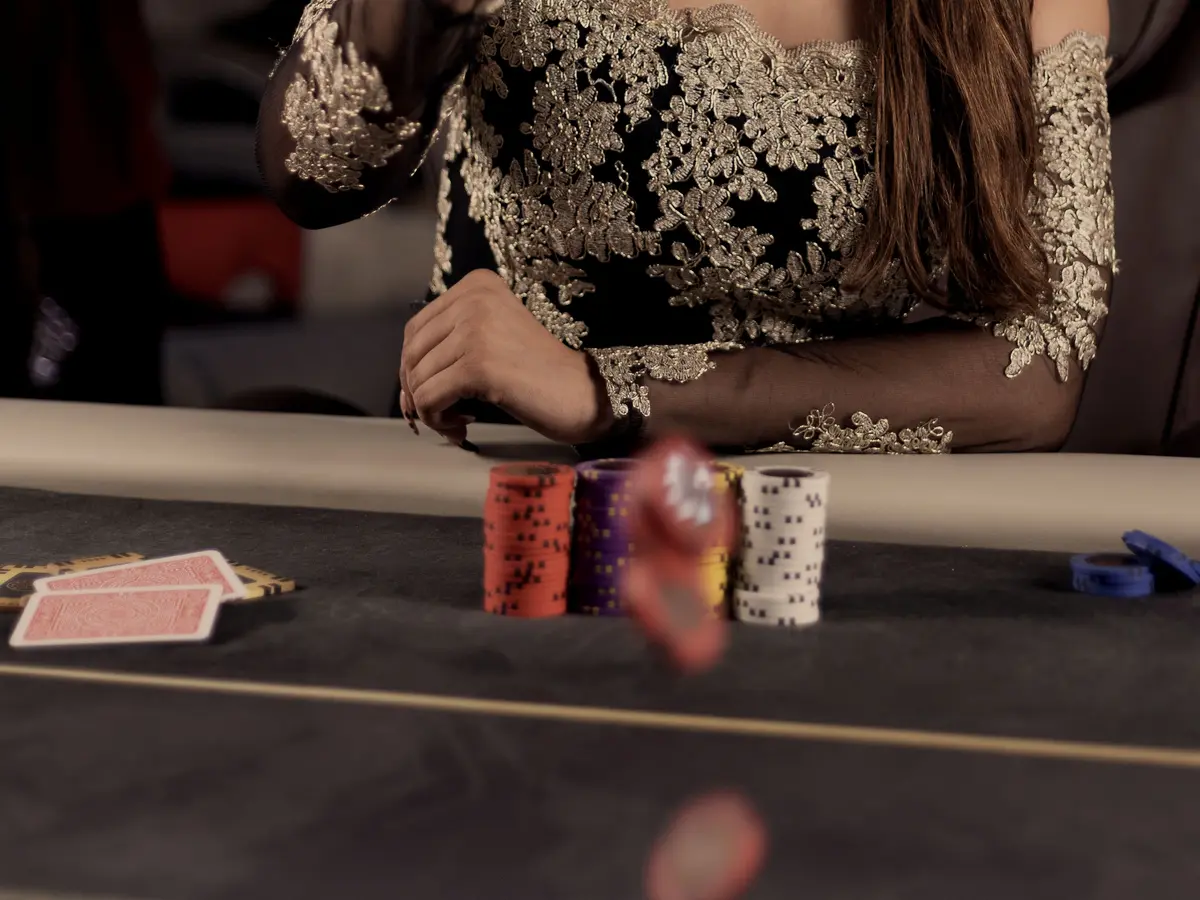
Why the Best Poker Players Choose Premium Poker Clubs

Watch where experienced poker players choose to spend their hours and you’ll notice something curious: the best of them are remarkably selective about venues, far more than about stakes. A strong player will happily play smaller in a well-run room before playing bigger in a chaotic one. Newcomers sometimes read this as snobbery. It isn’t. It’s the accumulated wisdom of people who’ve learned, occasionally the hard way, that the room is part of the game.
Where you play shapes what your skill is worth, how fast you improve, and whether poker stays a pleasure across the years. This article unpacks what serious players actually look for in a premium poker club, and why each element matters more than it first appears. Whether you’re choosing your first poker home or reconsidering your current one, treat it as a checklist.
Game Integrity: The Non-Negotiable Foundation
Everything in poker rests on one premise: the game is honest. Skill, strategy, and bankroll discipline all assume that the only randomness you face comes from the shuffle, and the only opposition from the players. Where that premise wavers, through sloppy procedures, inconsistent rulings, or environments where collusion goes unwatched, every hour of study you’ve invested is devalued.
This is why integrity sits first on every experienced player’s list, usually unspoken because it’s assumed, until the day it can’t be. The visible markers: consistent, transparent procedures for shuffling and dealing; rulings applied identically to strangers and regulars; staff who watch the game rather than merely service it; and management that treats a raised concern as a priority rather than an insult.
Premium clubs invest heavily here precisely because their model depends on players returning for years. A venue optimised for tonight’s rake can afford to be casual about integrity; a club built on membership and reputation cannot. When a room’s incentives align with its players’ trust, everything else about the experience tends to follow.
Professional Dealers: The Invisible Skill
Nothing shapes the hour-to-hour experience of live poker more than the person dealing, and nothing is more underappreciated until you’ve experienced the difference.
A professional dealer keeps the game moving briskly, which matters more than it sounds: at a well-dealt table you’ll see meaningfully more hands per hour, and hands are the whole point. They manage the pot and side pots flawlessly through multi-way all-ins, so nobody’s stack depends on amateur arithmetic. They enforce the rules, string bets, acting in turn, one player to a hand, with a courtesy that protects the game without bruising anyone. And for newer players, a good dealer is a patient guide through mechanics, which is why learning live poker versus online poker feels so different in a professionally dealt room: the procedural layer is handled for you, leaving your attention free for the actual game.
Strong players notice dealer quality within an orbit. It’s one of the fastest ways to assess a room, and one of the clearest lines between a premium club and a casual game with aspirations.
Structures That Respect Players
Structure is the quiet economics of poker: blind levels, buy-in ranges, rake, and tournament design. It decides how much room skill has to operate, and it’s where less scrupulous venues quietly take more than their share.
The player-respecting version looks like this: rake that is transparent, capped, and published rather than discovered; cash games with sensible buy-in depth, because deep stacks reward post-flop skill while shallow games compress everything toward pre-flop gambling; and tournaments with genuine structures, generous starting stacks and blind levels long enough for play to matter, rather than turbo formats masquerading as championship events.
Serious players read structure sheets the way investors read fee schedules, and for the same reason: over a year, structure is worth more than any single session’s result. A club that publishes clean structures and keeps them is telling you, in the language that matters, that it wants your skill to be the deciding variable. That’s the arena where a disciplined poker strategy earns its full value.
The Community: Who You Play With Matters
Ask long-term club members what keeps them, and the answer is rarely the felt. It’s the people. And this isn’t just sentiment; the community around a game shapes your poker in concrete ways.
A healthy player community gives you opponents worth learning from: regulars whose games you can study across months, stronger players whose post-session hand discussions are worth more than most books, and a range of styles that keeps your own game honest. It gives the table a culture: games that are competitive and sociable at once, where wins are gracious and beats are absorbed with humour, and where a first-timer is welcomed rather than hunted. And it gives poker its underrated dimension as one of the last places professionals, entrepreneurs, and enthusiasts of every background share a table as equals for hours at a time.
Premium clubs curate this deliberately, through membership, through standards of conduct, through the simple decision to value atmosphere as much as action. The difference is palpable within one session, and it compounds: the benefits of regular poker, from sharper decisions to genuine friendships, all flow faster in a room whose culture supports them.
Environment and Comfort: Why Details Compound
It’s tempting to file lighting, seating, and service under luxury, pleasant but strategically irrelevant. Experienced players know better. Live poker sessions run four, six, eight hours, and over that span, environment converts directly into decision quality.
Proper chairs and table spacing preserve the physical ease that concentration sits on. Good lighting keeps cards, chips, and faces readable without fatigue. Quality equipment, crisp cards, well-weighted chips, clean felt, removes friction from every hand. Attentive service means refreshment without leaving the game or breaking focus. Quiet climate control and acoustics keep the table conversational rather than exhausting.
None of these wins you a pot by itself. Together they decide whether your sixth hour is played as well as your first, and whether the evening felt like an occasion or an endurance test. Premium clubs sweat these details because their members do, even the ones who’d never articulate it beyond “the game just feels better here.”
Responsible Gaming as a Marker of Quality
Here’s a reliable litmus test that too few players apply: how does a venue treat the subject of limits?
A quality club treats responsible gaming as infrastructure, not decoration. That looks like a culture where playing within your means is normal and respected; where staff are trained to notice distress rather than profit from it; where breaks, self-imposed limits, and an early night are met without raised eyebrows; and where the house genuinely prefers a member who plays sustainably for ten years over one who burns bright for six months.
This isn’t only ethics, though it is that. It’s also self-interest correctly understood, and it tells you how the club thinks about everything else. A venue that protects its players’ long-term wellbeing has aligned itself with their long-term custom, the same alignment that produces honest games and fair structures. At Poker Syndicate, we consider this alignment the foundation the club stands on: great poker, sustained for years, among people playing within their means. That is the premium experience, properly understood.
A Culture of Skill Development
The final marker is the subtlest: does the room want you to get better?
In some venues, the answer is quietly no; confused players are profitable players. A premium club runs on the opposite belief: that better players make better games, and better games keep everyone, from the curious beginner to the seasoned grinder, engaged for years. You can feel the difference in specific behaviours: dealers who explain rulings rather than just impose them; regulars who talk openly about hands after sessions; events and formats that stretch members beyond their comfort zone; and a general atmosphere where studying the game is normal rather than eccentric.
For improving players this is worth more than any single feature on this list. Poker is learned socially, at tables and in the conversations around them, and a club with a genuine development culture functions as a permanent, informal academy. Find one, and your game will grow faster than any solitary study plan can manage.
What to Look For: A Player’s Checklist
Compressing all of the above into questions you can answer within a visit or two:
- Are procedures and rulings consistent, transparent, and applied evenly to everyone?
- Are the dealers professional: quick, accurate, courteous, and in control of the game?
- Are rake and structures published, fair, and designed to let skill matter?
- Does the community welcome new players while holding standards of conduct?
- Is the environment built for long, comfortable, focused sessions?
- Is responsible gaming visibly part of the culture rather than a poster?
- Do members talk about the game, and does the room encourage getting better?
A venue that clears all seven is rarer than it should be. When you find one, you’ve found something worth being loyal to, because every hour of poker you play there is worth more: in enjoyment, in development, and in the long-run value of your skill.
Conclusion
Poker rewards people who think about the conditions of their decisions, and the choice of where to play is exactly such a decision. The best players choose premium clubs for reasons that have little to do with luxury for its own sake: honest games protect their skill, professional dealing protects their hours, fair structures protect their edge, and a real community protects the thing that made them love poker in the first place.
Apply their checklist. Visit a room, watch the dealers, read the structures, feel the culture, and ask whether the place wants you back in five years or just deeper tonight.
Then come see what the standard looks like. Poker Syndicate was built as the answer to that checklist: professional dealers, fair and transparent games, a premium environment, and a community that takes both the poker and the people seriously. Experience it for yourself; the difference is obvious from the first hand.
Frequently asked questions
A venue built around long-term player experience rather than short-term turnover: honest, professionally dealt games, transparent structures, a curated community, high environmental standards, and a genuine responsible gaming culture. The premium is in the standards, not merely the décor.
For anyone playing live poker regularly, usually yes. Consistent game quality, a stable community of opponents, and conditions that protect your focus all raise the value of every session, and the improvement benefits compound in ways occasional casino visits can’t match.
A casino room is one amenity among many, optimised for throughput. A dedicated club exists only for poker: its dealers, structures, atmosphere, and community are all specialised, and its reputation depends entirely on how good the games are, which aligns its interests with its players’.
Seven things: integrity of procedures, dealer quality, fair published structures, a welcoming but standards-driven community, comfort built for long sessions, visible responsible gaming culture, and an atmosphere that encourages improvement.
Often they’re the best possible starting point. Professional dealers guide new players through mechanics, the culture is typically more patient than a casino floor, and learning among regulars who discuss hands openly accelerates development enormously.
Because they think in years, not sessions. Over that horizon, game integrity, structure quality, and playing conditions determine real profitability and enjoyment far more than any single night’s cards, so venue selection becomes a core part of their strategy.
Rake is the small percentage a venue takes from pots or entries to run the games. Fair, capped, transparent rake preserves the value of skilled play; excessive or opaque rake quietly consumes it. Serious players always check before they sit.